Natural Remedies - Healing with Medicinal Herbs
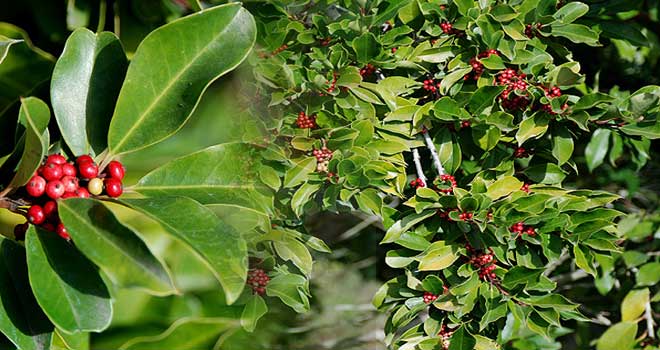
Yerba mate (Ilex paraguariensis Aquifoliaceae)
Other Names: Mate, Paraguayan Tea
Yerba mate, an evergreen tree native to South America, grows wild along streams and is cultivated in Brazil, Paraguay, and Argentina. Known as Jesuit tea, it was introduced to Europe by Jesuit missionaries. The tree, reaching up to 10 meters, has oval, leathery leaves similar to holly but without thorns.
Parts for Use
Leaves
- Harvested from December to August from trees at least 4 years old.
- Dried quickly over fire and chopped into small pieces.
- Used as green mate for beverages and stews.
- Commercially grown trees are pruned low to ease leaf picking.
Ingredients
Contains up to 10% phenolic acids, saponins, flavonoids, a little resin, and traces of essential oil. Caffeine and theobromine are the primary active compounds, stimulating the urinary tract and heart.
Use in Treatment
Yerba mate’s high caffeine content combats fatigue, nervous exhaustion, and lethargy while acting as a diuretic for kidney problems. Research shows caffeine boosts alertness, intellectual vigor, and metabolism by about 10%. Phenolic acids, flavonoids, and saponins enhance its energizing effects. A 1988 study indicated appetite suppression, and a 1995 study showed fat breakdown in the bloodstream, suggesting weight loss potential. A 2001 study combining yerba mate with guarana and damiana supported weight loss. Recent research suggests it may protect against arterial stiffness, reducing risks of heart and circulatory disorders. It also helps relieve headaches and rheumatism pain.
Cultivation
As a tropical tree, yerba mate requires a heated greenhouse or indoor cultivation, as it cannot tolerate temperatures below 7°C.
Preparation and Dosage
For Internal Use (Kidney Problems, Nervous Exhaustion, Lethargy, Headaches, Rheumatism)
- Infusion: Steep 2–3 g dried leaves in boiling water for 5 minutes, strain, drink 1–3 cups daily before 5 PM to avoid sleep disruption.
Warnings
- Consult a healthcare professional before use.
- Excessive consumption may cause nervous system disturbances.
- Avoid if you have sleep problems, heart issues, or circulatory disorders.
- Do not use during pregnancy or breastfeeding.
- High consumption may increase risks of lung or esophageal cancer, per recent studies.
- Yerba mate is banned as a stimulant for athletes.