Natural Remedies - Healing with Medicinal Herbs
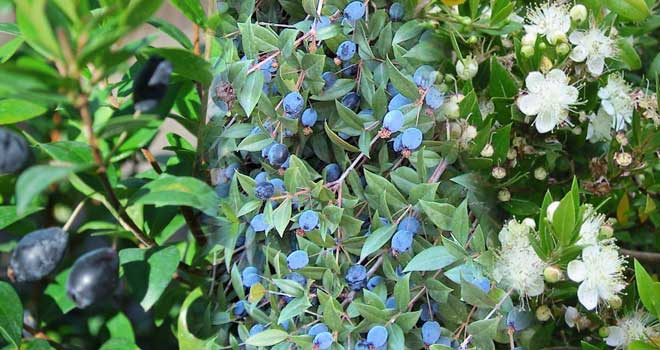
Myrtle (Myrtus communis Myrtaceae)
Other Names: Common Myrtle, True Myrtle
Myrtle, an evergreen shrub native to the Mediterranean, has erect, hairy stems and glossy, pointed, oval leaves. Its white flowers, with a pleasant fragrance, produce purple-blue, pea-sized berries.
Parts for Use
Leaves and Berries
- Leaves are harvested in spring and dried in a shady place to retain their green color, used for infusions, powders, and essential oil extraction.
- Berries are harvested in autumn and sometimes chewed fresh.
Ingredients
Myrtle leaves contain a small amount of essential oil, while berries have higher oil content, along with tannins and inorganic acids.
Use in Treatment
Myrtle’s antiseptic properties make it valuable for respiratory and intestinal issues, as well as urinary and genital infections. Its soothing and healing effects are used for skin conditions like ulcers and pimples, while its essential oil effectively eliminates head lice. Chewing berries may stimulate appetite and aid digestion. Research suggests myrtle can help manage diabetes by lowering blood sugar levels.
Cultivation
Myrtle is grown from seeds in autumn, nursery plants, or woody cuttings taken in summer. It thrives in neutral or alkaline, well-drained soil in a sheltered, sunny location.
Preparation and Dosage
For Internal Use (Respiratory Disorders)
- Infusion: Steep 10 grams of dried leaves in 1 liter of boiling water, cover, let stand for 10 minutes, strain, and drink 2 cups daily.
For External Use (Ulcers, Pimples)
- Compress: Soak a clean cloth in the infusion or diluted myrtle essential oil and apply to affected areas 2–3 times daily.
Warnings
- Consult a healthcare professional before use.
- Avoid myrtle preparations during pregnancy and breastfeeding.
- Consult a doctor before internal use, as essential oil components may irritate the digestive system.