Natural Remedies - Healing with Medicinal Herbs
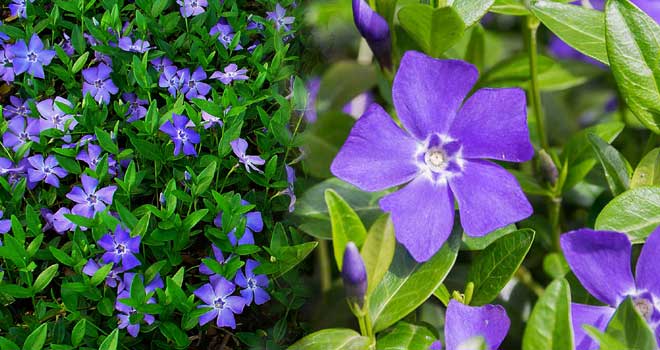
Periwinkle (Vinca minor Apocynaceae)
Other Names: Lesser Periwinkle, Dwarf Periwinkle, Small Periwinkle, Common Periwinkle, Creeping Myrtle
Native to Mediterranean regions, periwinkle is an evergreen perennial often used as ground cover. Its prostrate stems root at intervals, with erect flower stalks bearing shiny, leathery leaves and purple-blue, five-petaled flowers in spring. The plant produces paired fruits that release seeds upon opening.
Parts for Use
Leaves
- Leaves are harvested before flowering when alkaloids are most potent, then dried outdoors.
- Despite their bitter taste, dried leaves are used for infusions, powders, and extracts.
Ingredients
Periwinkle contains indole alkaloids, primarily vincamine, widely used in pharmaceuticals to enhance brain circulation.
Use in Treatment
Periwinkle’s alkaloids, especially vincamine, dilate brain blood vessels, improving circulation and addressing cerebral disorders linked to aging, such as memory loss and reduced concentration. A 1996 Austrian study found periwinkle more effective than some psychological medications for mental health conditions. It also helps stop internal and external bleeding, soothes stomach issues, and alleviates sore throats and oral inflammation. Historically, it was used for skin conditions.
Cultivation
Grow periwinkle in moist soil in a sunny or slightly shaded spot. Propagate from cuttings in summer. Once established, it spreads vigorously and can be difficult to control.
Preparation and Dosage
For Internal Use (Aging Effects, Poor Circulation)
- Capsules (290 mg): Take 1 capsule 3 times daily with meals.
- Tincture: Take 15 drops 2–3 times daily.
Warnings
- Consult a healthcare professional before use.
- Avoid periwinkle preparations during pregnancy and breastfeeding.
- Do not harvest or use wild periwinkle from gardens.
- Periwinkle extracts require a doctor’s prescription.