Natural Remedies - Healing with Medicinal Herbs
Blueberry (Vaccinium myrtillus Ericaceae)
Other Names: Common Bilberry, Blue Whortleberry, Black Huckleberry, Wild Myrtle, European Blueberry
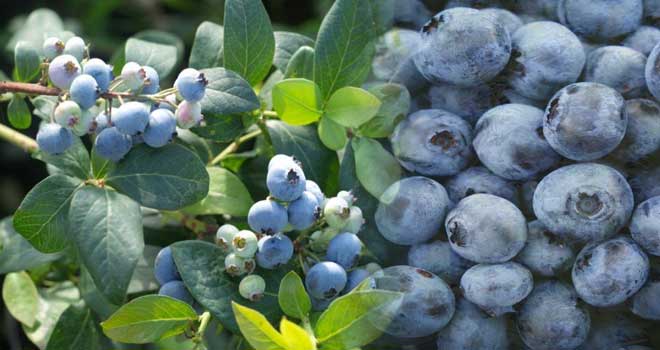
Blueberry, a low-growing shrub, thrives across Europe in moist, acidic soils of forests and thickets. It has oval, serrated leaves and produces white or pink flowers that yield purple-black edible berries, each the size of a pea with a noticeable depression at the top when ripe.
Parts for Use
Leaves and Berries
- Leaves are harvested from branches during summer and then dried.
- Berries are picked when ripe and typically used fresh.
- Leaves and berries are used in infusions, powders, and dry or liquid extracts.
Ingredients
Blueberry berries contain anthocyanins, which strengthen and protect capillaries, and vitamin C. They also include polyphenols (catechins) and tannins. The leaves contain phenolic acids, tannins, and iridoids.
Use in Treatment
Blueberries are commonly prescribed for venous and lymphatic disorders and to strengthen capillaries. Research shows that anthocyanins in berries reduce capillary permeability, enhancing their strength. As antioxidants, anthocyanins, combined with vitamin C, protect against free radical damage from air and food. Blueberries improve vision, particularly night vision, and their anthocyanins, alongside vitamin E, may benefit age-related cataracts. They are also used to treat diarrhea, gastrointestinal inflammation, and other inflammatory conditions. Blueberry leaves have been reported to aid in diabetes management.
Cultivation
Blueberries are typically harvested from wild habitats and rarely cultivated. They thrive in moist, acidic soil in sunny or lightly shaded areas.
Preparation and Dosage
For Internal Use (Venous Disorders and Vision Problems)
- Tablets (60 mg blueberry extract): Take 1–3 tablets daily with water.
- Liquid Extract: Take 50 drops in a glass of water before meals.
Warnings
- Consult a healthcare professional before use.
- Do not use blueberry while taking anticoagulant medications.
- Avoid blueberry during pregnancy and breastfeeding.