Natural Remedies - Healing with Medicinal Herbs
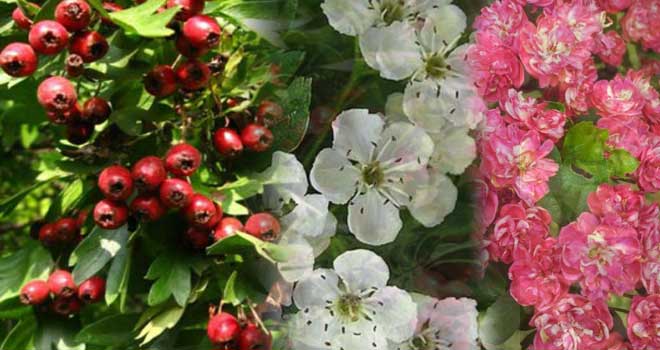
Hawthorn (Crataegus laevigata (C. oxyacantha) Rosaceae)
Other Names: Red Hawthorn, Common Hawthorn, White Thorn, Midland Hawthorn, Mayflower, Woodland Hawthorn, English Hawthorn
Common Hawthorn, widely used as a hedge across Europe, can grow up to ten meters tall. Its mild, slightly unpleasant scent is historically linked to the Great Plague of London in May 1665, coinciding with its flowering period.
Parts for Use
Flowers and Fruits (Hawthorns)
- Flowers should be picked in bud or just after opening, as they decay quickly.
- Care is taken to preserve their scent during harvesting.
- Flowers are spread in a thin layer on fabric and dried in an airy, shaded place.
- Both fruits and flowers are used for preparations, capsules, and tinctures.
Ingredients
Hawthorn flowers contain amines, notably tyramine, which benefit heart function. Flavonoids, acting as antioxidants, dilate and protect blood vessels, aiding in cardiovascular health. The fruits contain anthocyanins, pigments that support healthy blood vessels.
Use in Treatment
Hawthorn has been used since the Middle Ages for its therapeutic properties, initially with fruits and later with both fruits and flowers. It is traditionally recommended for angina pectoris, strengthening arteries, managing high blood pressure, and treating cardiac arrhythmias. Scientific studies confirm its efficacy in supporting cardiovascular health by strengthening the heart, improving blood flow, and reducing blood pressure through muscle relaxation. French experiments in 1985 showed Hawthorn’s ability to dilate blood vessels and reduce capillary resistance. Additionally, its calming effects on the central nervous system help manage rapid or irregular heartbeats and minor sleep disorders in adults and children, often combined with other herbs like valerian.
Cultivation
Common Hawthorn is grown from cuttings and is highly resilient, thriving in most soil types but preferring alkaline, rich, moist loamy soil.
Preparation and Dosage
For Internal Use (Cardiac Arrhythmia, Weak Heart, Minor Sleep Problems)
- Infusion: Steep 1 to 2 teaspoons of dried flowers in a cup of boiling water, cover, let stand for 10 minutes, strain, and drink two to three cups daily for three weeks, followed by a one-week break.
- Tincture (1:4 in 25% alcohol): Take 20 drops with water three times daily after meals.
Warnings
- Consult a healthcare professional before use.
- Do not attempt to treat heart conditions without medical supervision.
- Large doses may cause drowsiness and slow reflexes; avoid driving while taking Hawthorn preparations.
- Hawthorn is intended for long-term preventive use.