Natural Remedies - Healing with Medicinal Herbs
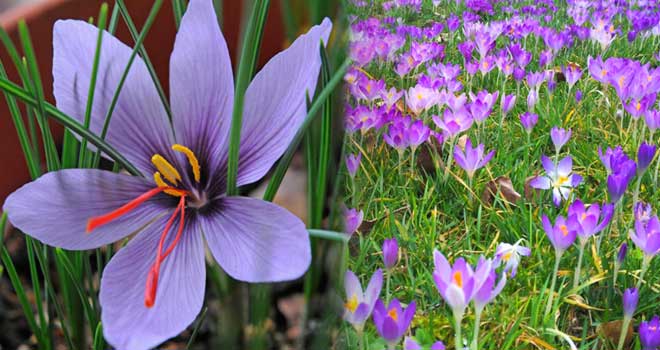
Saffron (Crocus sativus Iridaceae)
Other Names: Saffron Crocus, Autumn Crocus
Saffron, native to India and the eastern Mediterranean, is one of the world’s most expensive spices, requiring about 75,000 hand-harvested flowers to produce 500 grams. Its name derives from the Arabic word "zafran," meaning yellow.
Parts for Use
Flower Stigmas
- Stigmas are collected in autumn during full bloom, carefully separated by hand, and dried.
- Used whole as a spice, crushed into powder, or processed into tinctures, syrups, or gels.
- Saffron remains effective for one year after harvesting.
Ingredients
Saffron contains picrocrocin, a bitter compound that stimulates appetite and aids digestion; safranal, an essential oil component contributing to its aroma and calming effects; and carotenoids (crocin, genciobios), which act as antioxidants.
Use in Treatment
Saffron’s vibrant color and distinct flavor have made it a prized culinary spice for centuries, valued by ancient Greeks, Egyptians, and Romans as an aphrodisiac. Traditionally, it has been used to relieve toothache in children, regulate menstruation, aid conception, and treat colic and low blood pressure. Its sedative properties help with nervousness. A 2002 Iranian study confirmed saffron’s anti-inflammatory and analgesic effects, while a 1996 Spanish study found that crocin inhibits tumor cell growth, particularly in colon cancer, suggesting potential for future medicinal applications.
Cultivation
Plant bulbs in summer in well-drained soil under full sun in a warm environment.
Preparation and Dosage
For Internal Use (Indigestion)
- Tincture (1:5 in 60% alcohol): Take 5–15 drops with water 3 times daily.
Warnings
- Consult a healthcare professional before use.
- Avoid saffron preparations during pregnancy and breastfeeding.
- Large amounts of saffron are toxic and may damage kidneys and the central nervous system.