Natural Remedies - Healing with Medicinal Herbs
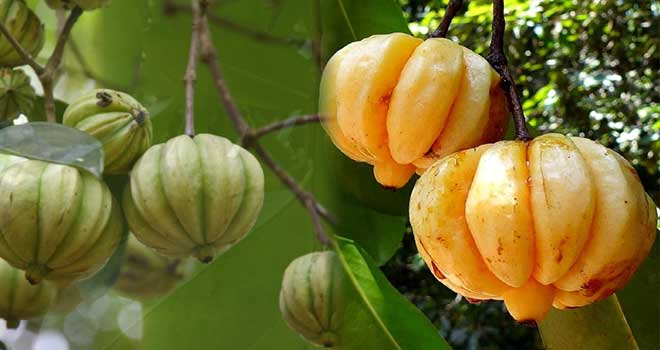
Garcinia (Garcinia cambogia Clusiaceae)
Other Names: Malabar Tamarind, Brindleberry
Garcinia is a tropical shrub native to India and Southeast Asia, characterized by shiny dark green leaves. It bears yellow, orange-sized, pumpkin-shaped fruits used in Thai and Indian cuisine for their sour-bitter flavor, similar to tamarind.
Parts for Use
Fruit and Peel
- Fruits are cut in half, and the stone is removed.
- Dried fruit halves are used to produce dry extracts, beverages, chewing gum, and tablets.
- Garcinia is also used in external products like creams, ointments, and lotions.
Ingredients
About 50% of garcinia’s dry extract consists of hydroxycitric acid (HCA), believed to help control fat formation. The fruits also contain other fruit acids with antioxidant properties.
Use in Treatment
Garcinia has been used for centuries in Southeast Asia as a digestive aid and appetite suppressant, primarily due to hydroxycitric acid (HCA). Japanese studies suggest HCA promotes lipid oxidation in mice, though human clinical trials, including a 2000 U.S. study, found no significant appetite suppression, weight loss, or fat reduction. A 1998 study similarly showed limited efficacy for weight loss. Garcinia may help regulate blood sugar and lower cholesterol in diabetics. Externally, HCA is used in treatments for wrinkles and acne due to its fruit acid content.
Cultivation
Garcinia is grown from seeds or as fully developed plants. As a tropical plant, it requires a warm, humid environment and thrives in heated greenhouses.
Preparation and Dosage
For Internal Use (Mild Obesity)
- Capsules (400 mg dry extract): Take one capsule with a glass of water three times daily, 30 to 60 minutes before main meals.
For External Use (Wrinkles, Acne)
- Creams, Lotions (1-20% HCA): Apply to the affected area once or twice daily as per instructions.
Warnings
- Consult a healthcare professional before use.
- Do not use garcinia during pregnancy or breastfeeding.
- Avoid giving garcinia preparations to children.
- No significant adverse effects have been reported.