Natural Remedies - Healing with Medicinal Herbs
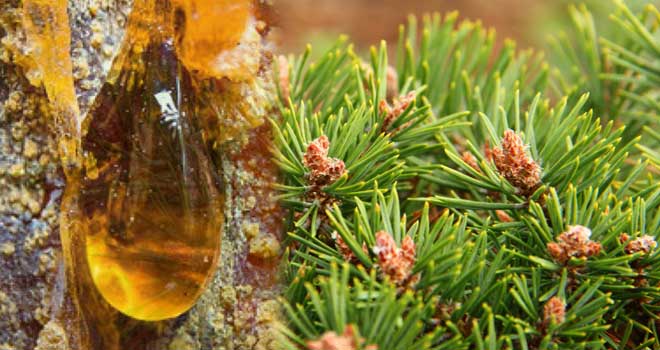
Scots pine (Pinus sylvestris Pinaceae)
Other Names: White Pine, Forest Pine
Scots pine, a towering tree native to Europe’s mountainous regions and northern/western Asia, can reach over 30 meters. In Scotland, it marked warriors’ graves, and Druids burned its wood to celebrate the winter solstice, symbolizing the sun’s return.
Parts for Use
Young Shoots, Needles, Resin
- Young shoots are harvested in spring and dried or used for essential oil.
- Needles are distilled for essential oil used in disinfectants.
- Resin, collected from bark cuts, is distilled into turpentine oil for ointments and massage oils.
Ingredients
Young shoots contain essential oils rich in pinene, limonene, and resin. Needles provide flavonoids and small amounts of vitamin C. Pine resin is high in terpenes, contributing to its scent and therapeutic properties.
Use in Treatment
Scots pine is a potent bronchial disinfectant, historically used in ancient Egypt for lung conditions like pneumonia. Its resin soothes mucous membranes, making it ideal for inhalation in respiratory issues. With antiseptic, diuretic, and antirheumatic properties, it treats chronic bronchitis, cough, laryngitis, colds, and sinus infections. It also combats urinary tract infections and Candida albicans, which causes oral inflammation. Externally, turpentine oil boosts circulation, aiding detoxification and nutrient delivery, while needle oil relieves colds, chills, and rheumatic pain. Inhaling steam from essential oil clears nasal and sinus congestion.
Cultivation
Scots pine thrives in well-drained soil and sunny locations but can dominate small gardens due to its height.
Preparation and Dosage
For Internal Use (Bronchitis, Cough)
- Infusion: Steep 20 g young shoots in 1 liter boiling water for 10 minutes, strain, and drink 4–5 cups daily.
For External Use (Laryngitis)
- Infusion: Gargle with infusion 4–5 times daily.
For External Use (Colds, Chills)
- Infusion: Inhale steam 3–4 times daily.
- Bath: Steep 250 g dried needles in 2 liters boiling water for 20 minutes, strain, and add to warm bathwater; or place 250 g needles in cheesecloth and add to bath.
For External Use (Rheumatic Pain)
- Essential Oil: Dilute 3 drops in 10 ml base oil and rub on affected areas.
- Ointments/Massage Oils: Apply several times daily as directed.
Warnings
- Consult a healthcare professional before use.
- Avoid external use if prone to skin allergies.
- Do not use essential oils internally without professional guidance.
- No adverse side effects reported for Scots pine preparations.