Natural Remedies - Healing with Medicinal Herbs
Fennel (Foeniculum vulgare var. vulgare/var. dulce Umbelliferae/Apiaceae)
Other Names: Florence Fennel, Sweet Dill
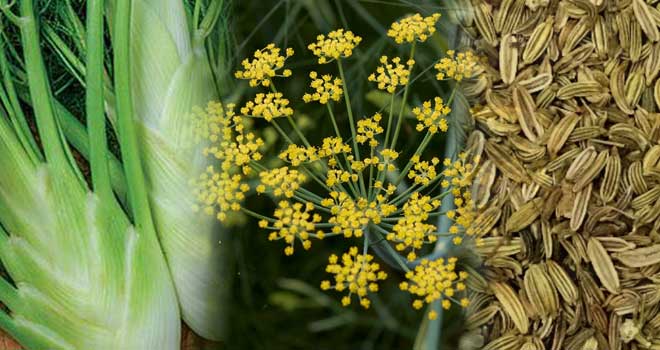
This tall perennial with feathery leaves originates from southern Europe and the Mediterranean. Cultivated since ancient times, all parts of fennel have a strong anise-like aroma and are widely used in cooking. The plant features long, thin, delicate leaves and beautiful umbrella-shaped inflorescences of yellow, fragrant flowers. Its small, yellowish-green fruits, streaked with black, have a penetrating sweet smell.
Parts for Use
Seeds, Roots, and Leaves
- Seeds are collected in the fall when they turn yellow and are then dried.
- Seeds are used whole or pressed to extract essential oil.
- Roots are harvested in the fall, dried, and used in scalds (available in pharmacies).
- Leaves can be picked year-round and used as a spice or garnish in food preparation.
Ingredients
Fennel seeds contain up to 60% essential oil, primarily composed of anethole, with traces of tarragon and fennel. Seeds also include phytosterols, flavonoids, and coumarins.
Use in Treatment
Fennel is traditionally used to alleviate digestive issues such as slow digestion, bloating, constipation, vomiting, cramps, intestinal upset, and stomach acid. Its seeds are also used to help dissolve kidney stones and treat urinary tract problems due to its diuretic and anti-inflammatory properties. Fennel soothes sore throats and gums when used as a gargle and treats conjunctivitis as an eyewash rinse. Chewing fennel seeds combats bad breath, and its anti-inflammatory and antimicrobial properties make it a common ingredient in natural toothpastes. Fennel reduces appetite and boosts metabolism, aiding weight loss, and is believed to relieve seasickness and nausea. Its estrogen-like compounds, primarily anethole polymers, stimulate breast milk production and normalize menstruation. Anethole also acts as an expectorant, making fennel effective for treating coughs due to its anti-inflammatory properties.
Cultivation
Fennel is grown from seeds sown in spring in well-drained, rich, light soil in a sunny location.
Preparation and Dosage
For Internal Use (Digestive Issues)
- Infusion: Place one teaspoon of crushed or dried seeds in a cup of boiling water, cover, let stand for ten minutes, strain, and drink three times daily after meals.
- Capsules (300 mg): Take two capsules before meals.
- Fennel Water: Take 5 to 15 drops once daily.
- Liquid Extract: Take 10 to 40 drops with water once daily.
For Constipation
- Infusion: Place one teaspoon of dried roots in a cup of boiling water, cover, let stand for ten minutes, strain, and drink three times daily before meals.
For External Use (Inflamed Eyes)
- Rinse Aid: Use a cold, sterile infusion or commercially available preparations.
Warnings
- Consult a healthcare professional before use.
- Do not use fennel if you are undergoing hormone therapy.
- Fennel may stimulate menstruation in menopausal women.
- Individuals allergic to carrots, celery, or wormwood may experience adverse reactions to fennel.
- Women with breast or uterine cancer should avoid fennel.
- Fennel may cause nausea, vomiting, fluid in the lungs, or sensitivity to sunlight.
- Fennel essential oil, due to its anethole content, can be toxic in large quantities and should only be used under a doctor’s recommendation.
- Pregnant and breastfeeding women should avoid fennel preparations beyond culinary amounts and should not use fennel essential oil during pregnancy.