Natural Remedies - Healing with Medicinal Herbs
Boldo (Peumus boldus Monimiaceae)
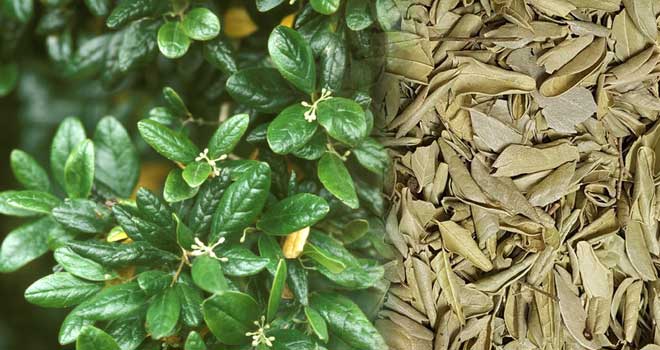
This evergreen shrub, native to Chile, is now cultivated in Italy and North Africa, particularly Morocco. Growing 4–5 meters tall, it has rough, fragile, grayish-green leaves that emit a camphor-like odor when crushed. Pale yellow flower inflorescences produce small black berries.
Parts for Use
Leaves and Bark
- Leaves are dried, crushed, and used for infusions.
- Leaves are incorporated into pharmaceutical products that stimulate bile secretion.
- Bark, containing the alkaloid boldine, is also used.
Ingredients
Boldo leaves are rich in volatile oils (ascaridole, cineole, and camphor), which contribute to their distinctive aroma. Both leaves and bark contain flavonoids, antioxidants with potential anti-cancer properties, and alkaloids, notably boldine.
Use in Treatment
Boldo is widely used in herbal medicine to treat gallstones, liver disorders, stomach issues, and digestive problems. The alkaloid boldine stimulates bile secretion and may reduce inflammation associated with kidney stones. Its antiseptic properties make boldo effective for cystitis. In Chile, it has been traditionally used to treat syphilis, gonorrhea, and parasitic worms. In Brazil, boldo is used to prevent flatulence, bloating, and liver and digestive issues, and as a diuretic. It has also been employed for rheumatism, gout, jaundice, colds, and ear pain. Clinical studies confirm boldo’s role in aiding digestion, often combined with herbs like fumitory and rosemary for indigestion.
Cultivation
Boldo thrives in sandy, well-drained, acidic soil in sunny locations.
Preparation and Dosage
For Internal Use (Indigestion)
- Decoction: Place 2 grams of dried leaves in 200 ml of boiling water, let sit for 10 minutes, strain, and drink three cups daily.
- Liquid Extract: Take one teaspoon diluted in water in the morning on an empty stomach and in the evening before bedtime.
Warnings
- Consult a healthcare professional before use.
- Do not use boldo during pregnancy, as it may cause miscarriage.
- Avoid boldo if you have severe kidney or liver disease.
- No adverse effects or toxicity have been reported at therapeutic doses.