Natural Remedies - Healing with Medicinal Herbs
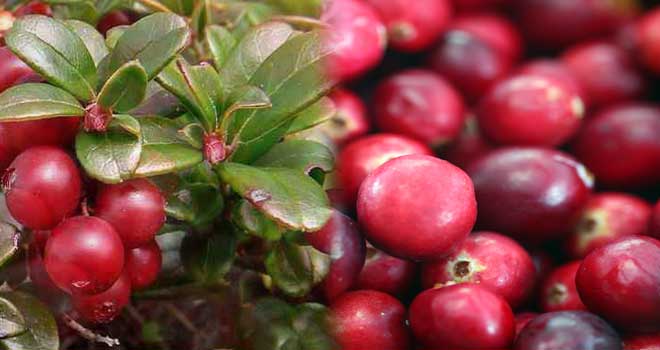
Cranberry (Vaccinium macrocarpon Ericaceae)
Other Names: Large Cranberry, American Cranberry
Cranberry, a slow-growing shrub native to North American peat swamps and forests, is now cultivated across Europe. It has dark green leaves and produces pinkish-white flowers in late May. Its small, greenish berries turn dark red when ripe and have been used in folk medicine since at least the 16th century.
Parts for Use
Fruits
- Fruits are harvested when ripe in September.
- Used raw, dried, as juice, or processed into capsules and tablets.
Ingredients
Cranberry fruits contain glucose, fructose, minerals, organic acids, vitamin C, antioxidants, anthocyanins, and proanthocyanidins.
Use in Treatment
Cranberry is often used alongside antibiotics to support treatment of recurrent urinary tract infections. Scientific studies show that proanthocyanidins and fructose in cranberry juice may prevent bacterial adhesion to the bladder and urinary tract walls. It may also reduce urine odor, which is beneficial for elderly individuals with incontinence. Cranberry juice may help prevent dental plaque and caries by inhibiting bacterial growth on teeth. Its vitamin C and antioxidant content may support relief from colds and flu, though evidence is limited. Use for urinary tract infections, dental plaque, caries, colds, and flu requires medical supervision, particularly for urinary tract infections, due to potential risks and the need for conventional treatment.
Cultivation
Cranberry can be grown from seeds or cuttings in wet, acidic soil. It requires warm, sunny conditions for fruit ripening but is sensitive to frost, which can destroy buds.
Preparation and Dosage
For Internal Use (Urinary Tract Infections, Dental Plaque, Caries)
- Dry Extract (400 mg capsules or tablets): Take 1 capsule with plenty of water twice daily for urinary tract infections.
- Fresh Unrefined Juice: Drink 500 ml twice daily for urinary tract infections.
- Juice (Dental Plaque and Caries Prevention): Mix 3 parts cranberry juice with 7 parts water and drink 0.5–1 liter daily.
Warnings
- Consult a healthcare professional before use, especially for urinary tract infections, which may require conventional treatment.
- Avoid cranberry preparations if taking blood-thinning medications.
- Individuals with enlarged prostate or urinary tract obstruction should consult a physician before use.
- Combine cranberry preparations with conventional pharmaceuticals for urinary tract infections.