Natural Remedies - Healing with Medicinal Herbs
Anise (Pimpinella anisum Apiaceae)
Other Names: Anis, Aniseed
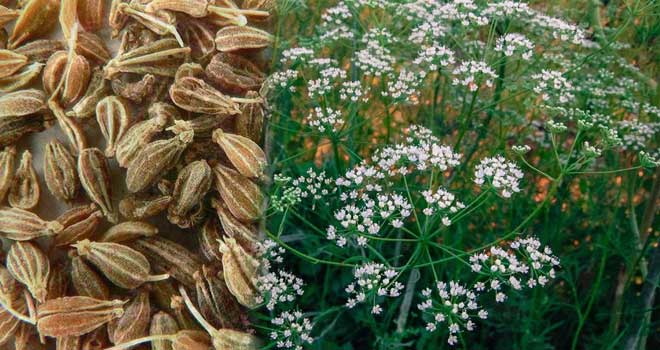
This low-growing plant with a strong aroma originates from the Middle East and was cultivated by the ancient Egyptians. It produces delicate white and yellow flowers on erect stems. The flowers yield fragrant, grayish fruits, commonly referred to as seeds, which have a distinctive sweet taste.
Parts for Use
Seeds
- Seeds are collected in autumn after flowering.
- They are dried and stored in a dry, dark place.
- Seeds produce an essential oil used in cough remedies, pharmaceutical preparations, herbal medicines, food, and beverages.
Ingredients
Anise seeds contain 1–6% essential oil, with up to 90% being anethole, which gives anise its characteristic aroma. Other components include coumarins (e.g., bergapten), flavonoids, and sterols.
Use in Treatment
Anise has been used for centuries to relieve digestive issues such as indigestion, bloating, belching, and abdominal gas, as well as to soothe spasmodic crying in children. Its antispasmodic properties are believed to alleviate menstrual pain. Anise promotes intestinal juice secretion, stimulating digestion. As an expectorant, it is effective for treating bronchitis and coughs, a property supported by anethole, as noted in the study "Monographs on the Medicinal Uses of Plant Drugs." This study also highlights the antibacterial, antifungal, and insecticidal properties of anise essential oil. Externally, undiluted oil is used to combat head lice, and as an ointment, it relieves itching. Traditionally, anise seeds have been used to facilitate childbirth, stimulate breast milk production, regulate menstruation, and enhance libido in both men and women.
Cultivation
Sow anise seeds in late spring during the blooming period. Anise is a hardy plant that thrives in rich, well-drained, sandy soil in sunny or lightly shaded locations.
Preparation and Dosage
For Internal Use (Indigestion and Cough)
- Infusion: Place 0.5 to 1 gram of seeds in a cup of boiling water and drink two to three times daily after meals.
- Powder: Take 3 grams daily mixed with food.
- Tincture (1:4 in 45% alcohol): Take 5 to 10 drops in a little cold water three times daily after meals.
Warnings
- Consult a healthcare professional before use.
- No adverse effects have been reported to date.
- Avoid anise when taking iron supplements.
- Do not use anise during pregnancy or breastfeeding.
- Large doses of essential oil may cause nausea and vomiting.
- Avoid anise creams if you have inflamed skin.
- Do not use anise if taking hormonal medications.
- Avoid sun exposure while using anise, as it may cause photosensitivity in individuals with sensitive skin.