Natural Remedies - Healing with Medicinal Herbs
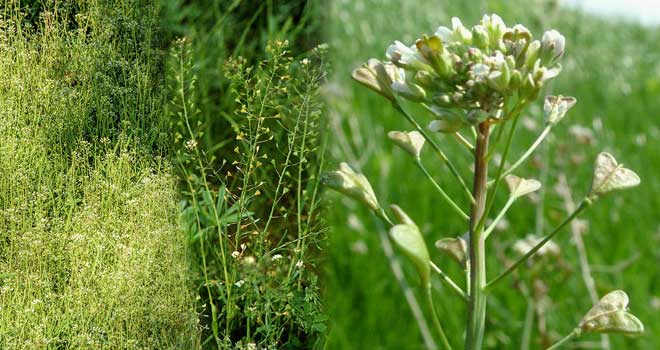
Shepherd's purse (Capsella bursa-pastoris Brassicaceae)
Other Names: Cat's Heart
Shepherd's purse, a common weed across Europe, thrives on uncultivated land. Its fragile, erect stems bear tiny white flowers that produce small, purse-shaped seed pods, giving the plant its name.
Parts for Use
Above-Ground Parts
- Harvested from May to November.
- Active ingredients lose potency during storage.
- Used in infusions, tinctures, and pharmaceutical products.
Ingredients
Contains potent essential oil, choline, acetylcholine, tyramine, and flavonoids, contributing to its therapeutic effects.
Use in Treatment
Shepherd's purse has a long history of use for postpartum hemorrhoids and internal bleeding, notably during World War I when other hemostatic drugs were scarce. It is a mild remedy for excessive menstruation and can stop nosebleeds. Its antiseptic and diuretic properties make it effective for cystitis, while its anti-inflammatory and astringent qualities aid in reducing inflammation. A 1969 study confirmed its alkaloid stimulates uterine contractions, helping with painful menstruation.
Cultivation
Shepherd's purse thrives in poor soil, preferring sunny or lightly shaded areas.
Preparation and Dosage
For Internal Use (Excessive/Painful Menstruation, Hemorrhoids)
- Infusion: Steep 1–4 g dried herb in a cup of boiling water for 10–15 minutes, strain, drink 3 cups daily.
- Tincture (1:4 in 25% alcohol): Take 15 drops with water 3 times daily after meals.
For External Use (Nosebleeds)
- Inhalation: Prepare a cooled infusion vapor, use to rinse nose by inhaling through nostrils.
Warnings
- Consult a healthcare professional before use.
- Avoid during pregnancy and breastfeeding.
- Do not use with anticoagulants.
- Consult a doctor if taking medications for blood pressure, heart, or thyroid conditions.
- May have a strong calming effect.